BizstoneCall (562) 301-3505

Countertop Installation in Lakewood, CA

New Countertops for Lakewood Kitchens

Quartz, granite, marble, and quartzite tops measured, fabricated, and installed clean. When your old counter is chipped, stained, or dated, Bizstone gives you a straight fix and a written price. Free in-home estimates across the 562.

  • Free in-home estimates
  • Precise templating
  • Licensed and insured
Countertop installation in Lakewood, CA

Countertop Fix Notes

Practical write-ups on spotting countertop trouble early and choosing the right fix for a Lakewood kitchen.

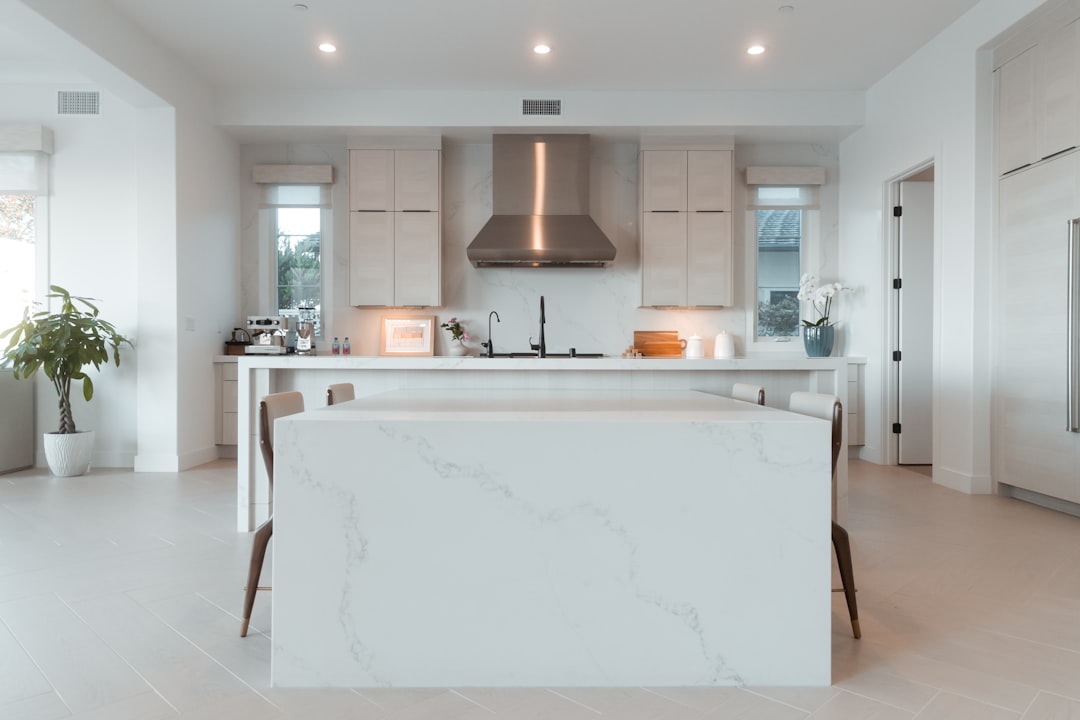
Installers setting a stone slab counter in a bright Lakewood kitchen with white cabinets

How Countertop Installation Lakewood Crews Handle Install Day

Most kitchens in this city sit inside homes that went up in a three year stretch at the start of the 1950s, when the tract north and south of Del Amo Boulevard was built about as fast as houses have ever been built in California. The layouts were efficient and tight, and nearly every one of those kitchens has had its counters swapped at least once since. That history shapes the work. The sequence behind countertop installation Lakewood homeowners go through is not one appointment, it is four or five separate steps spread across roughly two weeks, and understanding the order takes most of the anxiety out of it.

Here is what actually happens between the first phone call and the last bead of caulk.

The First Visit Is a Measurement, Not a Sale

The opening appointment should be quiet and boring. Someone walks the kitchen with a tape, checks the run lengths, notes where the range and sink sit, opens the cabinet doors, and looks underneath. That underside check matters more than most homeowners expect, because it decides whether the existing boxes can carry stone at all.

Two things get flagged on this visit. The first is square footage, which drives the number on the estimate. The second is condition: whether the cabinets are level, whether the sink base has water damage, whether a previous laminate job hid a rotted corner. An estimate written without opening a single cabinet door is a guess, and guesses turn into change orders on install day.

Expect the visit to take thirty to forty five minutes for a standard kitchen. You should walk away with a written number that separates material, fabrication, edge work, cutouts, tear out, and disposal into their own lines. A single lump sum makes it impossible to compare two bids.

Picking the Actual Slab, Not the Sample

A four inch sample chip tells you the color family and almost nothing else. Natural stone moves across a slab: veining wanders, background tone shifts, and the piece that ends up on your island may look meaningfully different from the chip you held in a showroom.

Southern California is a good place to be for this. The slab yards clustered around the ports and the industrial corridors between here and downtown carry deep inventory, and most of them will let a customer walk the racks with their fabricator. If you are buying granite, marble, or a heavily veined quartzite, go look. Stand back fifteen feet, because that is how you will see the counter every day, not from six inches away.

For engineered quartz the stakes are lower, since the pattern repeats by design, but even then it is worth confirming the lot number. Quartz lots vary slightly, and a kitchen that needs three slabs wants all three from the same run.

Once a slab is selected it gets tagged and held. Ask how long the hold lasts. A week is common, and a hold that expires quietly is one of the more annoying ways a project slips.

Templating Day

Templating is the step that decides whether the finished counters fit. A crew arrives, and for most shops now that means a digital templating rig: a laser or a photogrammetry setup that captures the room to a fraction of a millimeter and produces a file the saw can read. The plywood and hot glue method still exists and still works, but the digital version is faster and far less forgiving of a sloppy measurement, which is a good thing.

For templating to be accurate, the old counters usually need to be gone, or at least the new sink and faucet need to be on site. Bring the actual sink to the appointment. A cutout sized from a spec sheet rather than the physical basin is a known way to end up with a reveal that looks wrong around an undermount.

This is also when you sign off on decisions that become permanent: edge profile, backsplash height, overhang depth, where the seams will fall, and how the stone meets the range. Take the extra ten minutes here. Every one of those choices is cheap to change on the template and expensive to change after the saw runs.

What Happens at the Shop

Fabrication takes most of the calendar time. The file goes to a CNC saw or a waterjet, the slab is cut, the sink and cooktop openings are dropped, and then the edges are profiled and polished. A simple eased or bullnose edge is quick. A mitered waterfall or a thick built up edge adds days, because it means laminating two pieces of stone and polishing the joint until it disappears.

Ten to fourteen days from template to install is a fair expectation for a standard kitchen. Shorter is possible when a shop has capacity. Much shorter usually means corners are being cut somewhere, most often in polishing time.

Install Day in a Tract Kitchen

This is the part people picture, and in a well prepped kitchen it takes four to six hours.

Access and the Galley Problem

The original kitchens in this area are narrow, and the path from the driveway to the counter often runs through a doorway that was sized for 1952. A full slab is heavy and it does not bend. Before install day, someone should have confirmed that the pieces fit through the door, around the corner, and past the refrigerator. On a few floor plans the answer is that a section has to be seamed differently than it would be in a wider house, which is a fabrication decision, not something to discover with three people holding stone in a hallway.

Clear the path yourself the night before. Pull everything out of the base cabinets, move the table, and take down anything hanging in the way. Crews will work around clutter, but the job goes faster and safer without it.

Leveling the Cabinets

Stone does not flex to match a cabinet run, so the cabinets get shimmed until the run is level before anything is set. In a seventy year old house this step is rarely skipped, because settling is real and the floors are not flat. A counter set on an unlevel run will show a visible gap at the wall, and worse, it puts uneven load across the slab.

If the sink base is soft from an old leak, this is the moment it gets rebuilt or replaced. That is a good reason to have the estimate include a contingency line rather than pretend the problem cannot exist.

Seams and Where They Land

Every kitchen longer than a single slab has at least one seam. The craft is in placing it well. Good practice puts a seam over a cabinet partition for support, keeps it out of the middle of an island where the eye lands first, and avoids running it through a sink cutout where the stone is already weakened.

A modern seam set with a color matched epoxy and pulled tight with a vacuum seam setter should be something you can feel only if you go looking for it. Ask to see where the seams will fall on the layout drawing before fabrication starts. It is a normal request and any shop worth hiring will show you.

Sink, Faucet, and the Plumbing Gap

Undermount sinks are attached to the underside of the stone with clips and adhesive, and that bond needs time to set. Most installers will mount the sink on install day and then ask you to leave the plumbing disconnected overnight so nothing is stressed while the adhesive cures.

Plan for the kitchen to be out of service for about twenty four hours around the install. If a plumber is doing the reconnect rather than the counter crew, book that visit for the following morning, not for the same afternoon.

Overhangs and Support

An overhang up to about ten inches on quartz or granite generally carries itself over a standard cabinet run. Past that, the stone needs steel: flat bar brackets set into the cabinet top or a hidden plate that spans the seating area. Wooden corbels look decorative but often are not doing structural work.

This matters on the peninsula and island seating that gets added when one of these older kitchens is opened up to the living room. Ask specifically what supports the overhang, and expect a specific answer.

A Realistic Two Week Schedule

StepTimingWhat you need to do
In home measure and estimateDay 1Empty a couple of cabinets so the boxes can be checked
Slab selection at the yardDays 2 to 4Go in person for natural stone, confirm the hold period
TemplateDay 5Have the sink and faucet on site, decisions made
FabricationDays 6 to 13Nothing, this is shop time
Tear out and installDay 14Clear the path, empty base cabinets, plan to eat out
Plumbing reconnectDay 15Confirm who is doing it and when

Add time if the cabinets need work, if a slab has to come from out of the area, or if the edge profile is a mitered build up.

The First Week After Install

Caulk and epoxy need to cure. Keep water off the seams and out of the sink perimeter for the first day, skip harsh cleaners for the first week, and do not set anything heavy on an unsupported overhang while the adhesive is still green.

Sealing depends on material. Engineered quartz does not need it. Granite usually wants a sealer at install and then a refresh every year or two depending on use. Marble is more porous still and etches from anything acidic, which is worth knowing before you fall in love with it. A good installer will tell you which category your stone falls into and hand you the specific product rather than a generic bottle.

Questions Worth Asking Before You Sign

Five questions separate a solid bid from a thin one:

  1. Where will the seams fall, and can I see that on the drawing?
  2. Is tear out and disposal of the old counter included?
  3. What happens if the cabinets turn out to be unlevel or the sink base is damaged?
  4. Who reconnects the plumbing, and on what day?
  5. What is the warranty on the fabrication and the installation, separate from the material warranty?

Vague answers on any of these tend to become the exact thing that goes wrong.

Getting Started

The honest first step is a measure, because square footage and cabinet condition are what turn a rough price range into a real number. For a free in home estimate, contact us or call (562) 301-3505 and we will walk the kitchen with you.
Read the full article
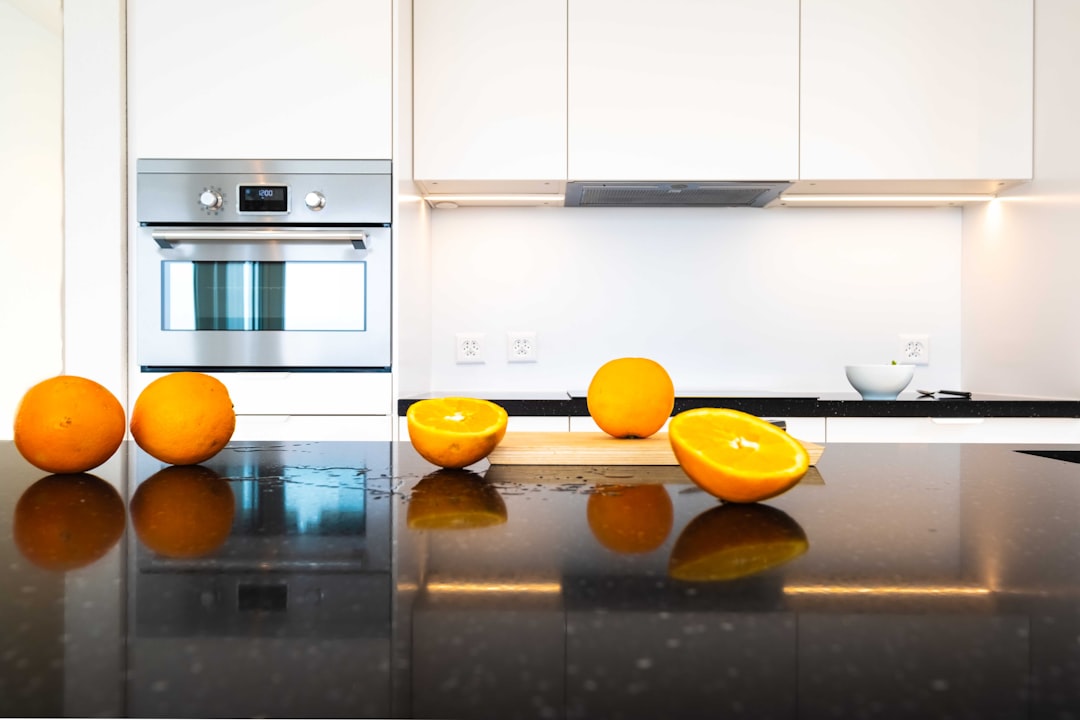
Stone kitchen counter and sink in a remodeled Southern California home near Lakewood

How Countertop Work Changes Across Lakewood and the Surrounding Cities

Drive ten minutes in any direction from Lakewood Center and the houses change character three or four times. The tract homes here went up almost all at once in the early 1950s. Long Beach mixes 1920s bungalows with mid century apartment stock and newer condos downtown. Cerritos is largely 1970s. Downey, Norwalk, and Bellflower each have their own eras layered on top of each other, and Whittier holds some of the oldest housing in the area. Countertops follow the houses, so the work that makes sense in one neighborhood is often the wrong call two exits up the 605.

That is the practical reason the word “countertops” covers so many different jobs. What follows is a plain breakdown of the services people actually book, which houses tend to need which, and how geography changes the answer.

The Work Is More Varied Than New Slab or Nothing

Most homeowners call assuming there are two options: keep what they have or replace everything. In practice the trade is split into a dozen distinct services, and several of them cost a fraction of a full replacement.

Fabrication and templating come first on any new top, since the slab has to be measured, cut, and profiled before it goes anywhere. Installation is its own step, with its own skill set, and so is removal and disposal of whatever is coming out. Then there is replacement, resurfacing, refinishing, sealing, edge profiling, seam repair, chip and crack repair, and ongoing maintenance. Add the room specific work, which usually means kitchen counters, bathroom vanity tops, and outdoor kitchen surfaces built to survive weather. Custom design sits over all of it when a layout needs something that does not come off a standard price sheet.

A shop that publishes the full list of services makes the decision easier, because you can match a symptom to a service before anybody quotes you a number. A dull surface, a chipped corner, and a swollen sink edge are three completely different problems with three different price tags, and only one of them requires a new slab.

Materials Decide Half of It

The second variable is what you have or what you want.

Granite is still the workhorse in this part of Los Angeles County. It is hard, it takes heat, and it wants sealing on a schedule. Engineered quartz has taken a large share of new installs because it never needs sealing and the pattern is predictable across slabs. Marble is the one people fall for and then regret if they cook with lemon and wine, since it etches from acid regardless of how well it is sealed. Quartzite splits the difference, natural and very hard, though it fabricates slowly and prices reflect that.

Below those sit the surfaces that get overlooked. Porcelain slab is thin, extremely stain resistant, and increasingly common on outdoor kitchens. Butcher block and other wood tops need oiling rather than sealing and are a different maintenance conversation entirely. Soapstone and concrete both show their age on purpose, which some people want and others hate.

Each material changes the service you need. Sealing applies to granite, marble, and quartzite, never to quartz. Refinishing and honing work on natural stone. Chip repair is realistic on stone and difficult on laminate. The material determines the menu.

Geography Changes the Job

Coverage is worth checking before capability, because a shop that maps its service area city by city tells you in one look whether your address is a normal job or a favor.

The corridor matters here more than raw mileage. Slabs are heavy and awkward, and every install involves getting stone from a yard, usually in the industrial belt north of the 91 or over toward the ports, into a kitchen. A crew that works Lakewood, Bellflower, Paramount, Downey, Norwalk, and Cerritos every week has the 605 and the 91 figured out. Long Beach adds parking constraints and older buildings with narrow stairwells. Signal Hill and Seal Beach are short hops that behave differently once you are on site. Compton, Lynwood, South Gate, Maywood, and Cudahy sit on the other side toward the 710. Garden Grove, Buena Park, Cypress, La Palma, Stanton, and Los Alamitos push into Orange County, and Montebello, Pico Rivera, and Whittier climb north and east.

Distance from the coast is a real factor too. Homes on the stretch from Long Beach down toward Huntington Beach get salt air, and outdoor kitchens in that band need sealing more often and hardware chosen with corrosion in mind. Ten miles inland in Downey or Norwalk that pressure basically disappears.

Which Service Fits Which House

SituationUsual serviceNotes
Original 1950s tract kitchen, laminateFull replacementCabinets often need leveling first
Stone in good shape, dull and stainingSealing, then refinishingCheapest fix on this list
Single chip or a cracked cornerRepairColor matched epoxy, done in one visit
Seam separating on an older installSeam repairUsually a fabrication issue, not a material issue
Kitchen opened up to the living roomCustom design and fabricationNew overhang needs steel support
Patio build near the coastOutdoor kitchen surfacePorcelain or granite, sealed on a tighter schedule
Bathroom refresh on a budgetVanity top replacementSmall square footage, often a remnant slab

Remnants are worth a mention on that last row. A vanity top or a small laundry counter frequently fits on the leftover piece from someone else’s island, and yards in this area carry racks of them at a fraction of full slab pricing.

What Actually Drives the Estimate

Square footage is the headline, but it is rarely what separates two bids on the same kitchen.

Edge profile is the first divider. A straight eased edge is fast. A mitered build up that reads as three inches thick means laminating two pieces and polishing the joint until it disappears, and that is shop time. Cutouts are the second: an undermount sink cutout with a polished reveal, a cooktop opening, and faucet holes each add work. The third is site condition, which is where the older housing stock in Whittier or the north end of Long Beach can surprise a homeowner. Cabinets that have settled over seventy years need shimming before stone goes down, and a sink base with old water damage needs rebuilding first.

Tear out and disposal is the line most often left off a cheap bid. Ask whether it is included. Hauling an old counter to a transfer station is not free and it does not do itself.

Questions That Sort the Bids

Four questions tend to separate a real quote from a placeholder:

  1. Is tear out and disposal included, or billed separately?
  2. Where will the seams fall, and can I see that on a drawing before fabrication?
  3. What happens if the cabinets are not level or the sink base is damaged?
  4. Is the fabrication warranty separate from the material warranty?

Any shop doing this work weekly answers all four without hesitating. Vague answers on the third one in particular are how a fixed price turns into a change order halfway through install day.

Start With a Measure

Nobody can price a kitchen accurately from a phone description, because square footage, cabinet condition, and edge choice all move the number independently. An in home measure takes under an hour and turns a range into an actual figure.

For a free estimate in Lakewood and the nearby cities, contact us or call (562) 301-3505.

Read the full article
Worn kitchen countertop in a Lakewood home

Five Signs Your Lakewood Countertops Are Ready to Go

Plenty of Lakewood kitchens are still working with the counters they were built with, and a lot of those homes date to the 1950s tract boom. A tired counter does not always announce itself. It fails slowly, one small problem at a time, until one day the whole surface looks and feels done. Here are five signs it is time to stop patching and start planning a replacement.

Stains That Will Not Come Out

If you have scrubbed the same spot three times and it still shows, the stain has soaked into the material. That happens most on natural stone that was never sealed and on older laminate. A surface stain wipes away. A permanent one is a sign the top has lost its protection for good. Sealed stone or non-porous quartz solves it at the source.

A Seam You Can Catch a Fingernail On

Run a fingernail along the seams and edges. If it snags, the joint has separated or the edge has chipped. On laminate that usually means water has crept underneath, and once the particleboard core swells there is no fixing it. A clean, tight seam is one of the first things we rebuild on a new install.

Burns, Chips, and Cracks

Scorch rings from a hot pan, a chip at the corner, or a hairline crack across the surface are all structural, not cosmetic. They collect grime, they spread, and on a cracked tile counter they mean re-caulking grout every year. At that point a replacement is cheaper than the ongoing upkeep.

A Swollen Edge Near the Sink

The area around the faucet takes the most water, so it fails first. If the front edge feels puffy or the laminate is lifting near the sink, moisture is already in the core. This one rarely gets better, and it is one of the clearest signals that the counter has run its course.

It Fights the Rest of the Kitchen

Sometimes the counter is sound but the color belongs to another decade. If you have updated the cabinets, floors, and paint and the counter still drags the room back in time, that is a fair reason to replace it too. A fresh top is also one of the first upgrades a buyer notices.

What to Do Next

One of these signs is often just a repair. Two or three together usually means the smart move is a new counter. The best first step is a careful in-home measure, which turns guesswork into a plan and surfaces any surprises before they cost you. If you spot your kitchen in this list, contact us or call Bizstone at (562) 301-3505 for a free in-home estimate in Lakewood.

Read the full article
  • We fix the real problemWe diagnose why the old top failed, worn laminate, an unsealed stone, a bad seam, then match the surface to it.
  • Clear written estimatesThe price we quote is the price you pay, itemized before a single cut is made.
  • Clean, careful installsWe protect your cabinets and floors, haul the old top away, and leave the kitchen ready to use.
  • Licensed and insuredA licensed, insured local crew, and a real person answers when you call (562) 301-3505.
  • Bizstone provides countertops installation in Lakewood, CA, working with engineered quartz, granite, marble, quartzite, butcher block, solid surface, and laminate. Whichever surface fits your home, we fabricate and install it to match your kitchen or bath exactly, with undermount sink cutouts, edge profiles, and backsplashes cut to fit. Most of our first visits start in the postwar tract blocks off Del Amo Blvd, where the original counters have simply worn out.

    A lot of Lakewood kitchens still carry the surfaces they were built with. The city went up fast in the early 1950s, and plenty of those homes near Woodruff Ave never had the counters touched since. That means seams you can catch a fingernail on, laminate curling at the edge of the sink, burn rings, and permanent stains soaked into stone that nobody ever sealed. None of that is a reason to gut the whole kitchen. It usually just means the top has done its time.

    We look at the actual problem before we quote anything. Sometimes the tell is obvious, like a cracked tile counter with grout you re-caulk every spring. Other times it is a slow one: a swollen particleboard edge under the faucet, a dull patch that will not polish out, or a color that fights everything else in the room. If your counter shows two or three of those signs at once, replacing it is almost always cheaper than fighting it another year on Clark Ave or anywhere else in town.

    The process itself stays simple. We come out and measure, walk you through materials and edges for how you actually cook, and hand you a clear written estimate before any work starts. Then we fabricate to fit and install clean, usually with a short gap between the template and the finished top. A fresh counter is also one of the first upgrades a buyer notices, so we template carefully, seal natural stone properly, and finish every seam so the job looks like it belonged to the house on South St from the start.

    What a New Countertop Runs in Lakewood

    Countertop pricing comes down mostly to the material and the size of the kitchen. Laminate is the most economical, engineered quartz and granite sit in the popular middle, and premium marble and quartzite run higher. Sink cutouts, edge upgrades, and backsplashes add to the total. The ranges below are typical for the Lakewood area, and we put the firm number in writing after a free in-home measure on Bellflower Blvd or wherever you are.

    Laminate$20 to $55 per sq ft installed
    • Most budget friendly
    • Many colors and patterns
    Get estimate
    Marble or quartzite$95 to $185 per sq ft installed
    • Premium natural stone
    • Sealed for lasting protection
    Get estimate

    How We Solve Each Countertop Problem

    One local crew for every popular surface and every part of the job, matched to whatever went wrong with the counter you have now.

    • Quartz Countertops

      For counters that stain and need constant babying, engineered quartz resists stains and scratches and never needs sealing, in colors that read like marble or stone.

    • Granite and Natural Stone

      When you want real stone character, granite and quartzite bring it, and we seal them properly so they shrug off the spills that ruined the last top.

    • Marble and Quartzite

      For a premium look, honed marble and hard quartzite give a bright, natural surface, sealed and finished to hold up in a working kitchen.

    • Kitchen and Bath Counters

      Islands, breakfast bars, and vanities that no longer fit the room, remeasured and rebuilt to sit level even where cabinets have settled.

    • Sink Cutouts and Edge Profiles

      Swollen edges and dated bullnoses replaced with clean undermount cutouts and the edge profile you choose, from an eased edge to an ogee.

    • Backsplashes and Islands

      Full-height and standard backsplashes plus waterfall and overhang tops, cut to hide the uneven wall behind the old counter.

    Straight Answers Before You Commit

    How do I know it is time to replace my counters?
    Look for burns, chips, permanent stains, a swollen edge near the sink, or a seam you can catch a fingernail on. One issue is often a repair. Two or three together usually means the top has run its course and a new one costs less than fighting it.
    How much do new countertops cost in Lakewood?
    It depends on the material and square footage. Laminate runs about $20 to $55 per sq ft installed, quartz and granite land in the middle, and marble and quartzite run higher. We give a firm written estimate after a free in-home measure.
    Quartz or granite, which should I pick?
    Quartz resists stains and scratches and never needs sealing, so it is the lower-maintenance option. Granite is natural stone with one-of-a-kind character and needs occasional sealing. We help you weigh both for how your kitchen gets used.
    Can you work in an older Lakewood home?
    Yes, and we do it often. Homes from the 1950s tract era can have out-of-square walls and settled cabinets, which is exactly why careful templating matters. We measure for the real conditions, not the ideal ones.
    How long does a countertop project take?
    We template first, then return to install a short time later once the material is fabricated. The install itself is usually finished in a day, and we haul the old counter away before we leave.
    Do you handle the sink and backsplash?
    Yes. We cut for undermount or drop-in sinks and install matching backsplashes as part of the job, including full-height stone if you want to hide an uneven wall.
    Do you serve my area?
    We cover Lakewood ZIP codes 90712, 90713, and 90715, plus Long Beach, Bellflower, Cerritos, Paramount, and the nearby 562 cities. Call and we will confirm your street.

    Communities We Cover Across the 562

    We install countertops throughout Lakewood and the neighboring cities in the 562, from the blocks around Palo Verde Ave out to the surrounding towns.

    • Lakewood, CA (90712, 90713, 90715)
    • Long Beach, CA
    • Bellflower, CA
    • Cerritos, CA
    • Paramount, CA
    • Hawaiian Gardens, CA
    • Cypress, CA

    Not sure if we reach your street? Call (562) 301-3505 and we will let you know.

    Book a No-Cost Countertop Assessment

    Ready to be done with the old top? We will measure your space, tell you honestly whether it is a repair or a replacement, walk you through materials and edges, and hand you a clear written estimate with no pressure. Most Lakewood installs are quick once the material is ready, and we handle everything from tearing out the old counter to the final polish.

    Call (562) 301-3505